More than half the parking lot failures we review in Tampa come down to one thing: treating the structural design like an afterthought instead of a geotechnical exercise. A contractor will lay a standard 4-inch asphalt section over silty sand, and within two rainy seasons the surface is alligator-cracked and the drainage has collapsed. Florida's geology doesn't forgive guesswork. Our flexible pavement design work starts with subgrade characterization under the current IBC and local Hillsborough County standards, then layers structural coefficients based on actual traffic loading—not just an assumed ESAL count. When the water table sits at three feet below grade across much of the Tampa Bay basin, the difference between a 10-year pavement and a 25-year pavement is the engineering that happens before the first truck of base course arrives. We combine FWD deflection data with CBR lab testing to calibrate modulus inputs that reflect the real seasonal moisture variation here, not generic textbook values.
In Florida, pavement fails from the bottom up—weak subgrade, poor drainage, and underestimated traffic loading add up faster than anyone expects.
Methodology applied in Tampa Florida
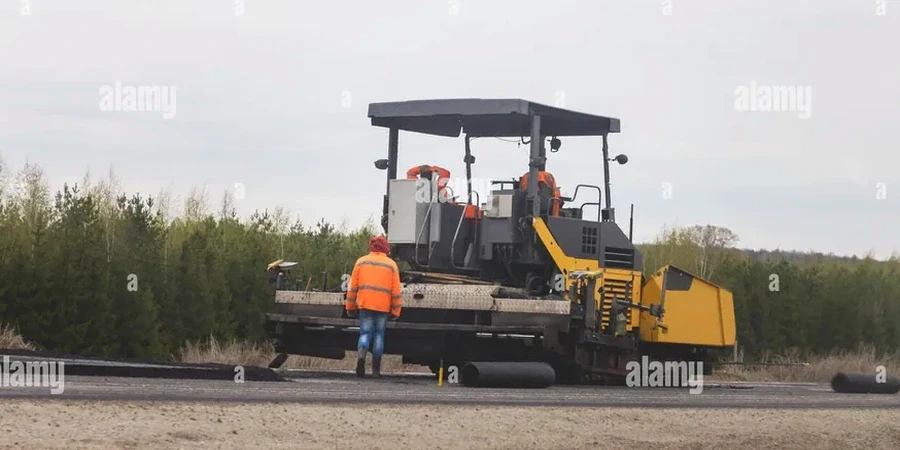
Local geotechnical conditions in Tampa Florida
The FWD trailer we mobilize for pavement evaluation across Tampa is a 12,000-pound impulse loader that drops a segmented weight onto a 12-inch loading plate. What we're looking at isn't just deflection—it's the shape of the basin. A deep, narrow basin suggests a stiff surface over weak subgrade, which we see all the time in older industrial parks near Port Tampa Bay where fill was placed over dredge material. We map deflection data in real time, overlay it on the boring logs, and identify zones where the base course has saturated and lost modulus. If we don't catch that degradation before resurfacing, the new asphalt layer reflects the same cracks within three years. On I-275 corridor projects, we've measured deflections exceeding 40 mils under a 9,000-pound load—well past the threshold where simple mill-and-overlay stops making economic sense. The pavement design response is either full-depth reclamation with cement stabilization or a thicker structural overlay with a stress-absorbing membrane interlayer.
Our services
Our Tampa pavement design work doesn't stop at the structural number calculation. We deliver a complete package that the civil engineer can take straight into construction documents, with layer thicknesses, material specifications, and subgrade preparation protocols written for local conditions.
Full-depth pavement structural design
Layer-by-layer analysis for new construction, including traffic load spectra, seasonal modulus inputs, and life-cycle cost comparison between asphalt and alternative stabilized sections. We prepare sealed plans and calculations for Hillsborough County and City of Tampa permit review.
Pavement rehabilitation and forensic evaluation
FWD deflection basin analysis, coring program, and lab testing to diagnose premature failures. We identify whether the problem is subgrade rutting, base course stripping, or asphalt fatigue cracking, then design the appropriate mill-and-inlay or full-depth reclamation strategy.
Common questions
What's the typical cost range for a flexible pavement design report in the Tampa area?
For a commercial parking lot or access road under 50,000 square feet, the design phase—including subgrade investigation, traffic analysis, and structural section recommendations—typically runs between US$1,640 and US$4,760 depending on the number of borings and whether FWD deflection testing is included. Larger arterial roadway projects with full Pavement ME modeling fall at the upper end or beyond.
How does Florida's high water table affect pavement performance?
The shallow groundwater across the Tampa Bay region keeps subgrade moisture content high year-round, which reduces resilient modulus and accelerates rutting under repeated loading. Our designs compensate with increased base course thickness, positive drainage gradients, and sometimes edge drains or underdrain systems to keep the structural section unsaturated through the wet season.
Do you design for both asphalt and concrete pavement?
We design flexible asphalt pavement sections (hot mix asphalt over aggregate or stabilized base) for most commercial and roadway projects. Our team also handles rigid concrete pavement design when the client needs heavy industrial loading capacity or long-term maintenance-free performance, though the structural analysis approach differs between the two systems.
How many borings are needed for a pavement design in Tampa?
For a standard commercial site, we typically recommend borings at 150- to 200-foot spacing across the paved area, with at least one boring extending 5 feet below the proposed subgrade elevation. In areas with known karst activity—like parts of northwest Tampa near the Lutz area—we may tighten the grid and add ground-penetrating radar to check for shallow limestone voids that could cause differential settlement.