Tampa sits just 48 feet above sea level on a limestone karst plain. That low elevation means groundwater is rarely more than a few feet down. For foundation work, this creates a direct problem: saturated, loose sands and soft organic silts that compress under load. We see it in Westshore, Channelside, and across the Interbay Peninsula. The solution isn't always deep piling. Often, stone columns installed as vertical drains and reinforcement elements are the smarter choice. Our lab designs these systems to match the exact fines content and density we measure from SPT drilling samples taken right on site.
A well-designed stone column grid can cut foundation settlement by half on Tampa's saturated sandy clays—without removing a single cubic yard of bad soil.
Methodology applied in Tampa Florida
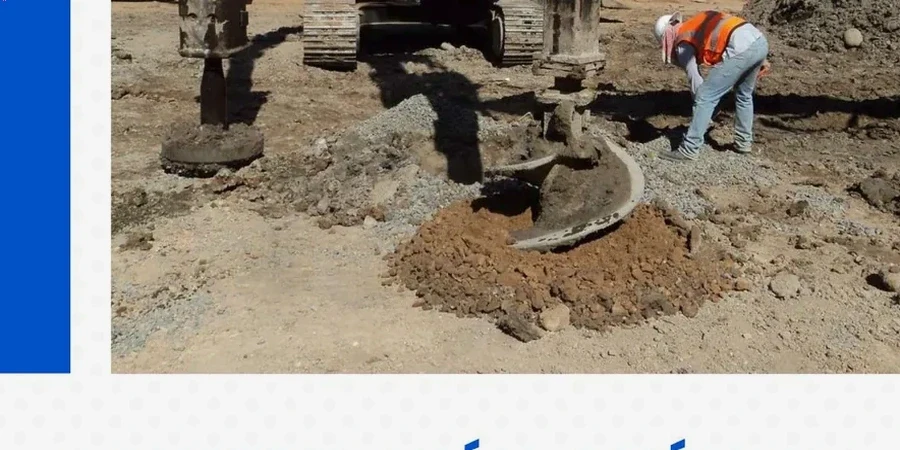
Local geotechnical conditions in Tampa Florida
Carrollwood and Lutz sit on drier, sandier soils. South Tampa and Davis Islands sit on saturated, loose fill over organic silt. The difference in settlement risk between these areas is extreme. A design that works inland can fail near the bay. Without stone columns, a mat foundation on Davis Islands might see 3 to 4 inches of differential settlement within five years. That cracks slabs, shears drywall, and misaligns doors. We've tested enough borings across the city to know where the transition zones are. The biggest risk is ignoring the water table. At 2 to 5 feet below grade, it turns the soil into a sponge during summer storms. Stone columns drain that water and densify the soil at the same time—two functions one system must deliver.
Our services
Our design process starts with the field data and moves straight into the lab. We don't guess at parameters. Here are the two core services we provide for every stone column project in the Tampa area.
Geotechnical investigation for stone column design
We drill SPT borings, collect undisturbed Shelby tube samples, and log the stratigraphy. Lab testing covers grain size distribution, Atterberg limits, and consolidated-undrained triaxial shear. This data feeds directly into the stone column design model.
Stone column design and verification
We compute the area replacement ratio, final column spacing, and expected settlement reduction. After installation, we witness plate load tests on the treated ground to confirm modulus of subgrade reaction meets the design value.
Common questions
What type of stone is used for the columns?
We specify clean crushed limestone meeting ASTM D448 Size No. 57 or 67. The stone must have less than 5 percent fines passing the No. 200 sieve to maintain drainage capacity and high friction angle.
How deep do stone columns need to go in Tampa?
Most designs in Tampa run 15 to 45 feet deep. The exact depth depends on the thickness of the soft clay or loose sand layer. We determine this from SPT blow counts and laboratory consolidation tests on undisturbed samples.
What does stone column design cost in Tampa?
Design fees for a typical commercial lot in Tampa range from US$1,610 to US$4,610 depending on the number of borings, lab tests required, and complexity of the loading. This covers investigation, analysis, and the stamped design report.
How do you verify the columns work after installation?
We perform plate load tests on the treated ground at the design bearing level. The test applies 200 percent of the design load and measures deflection. Results must show a modulus of subgrade reaction equal to or greater than our design value.